Deadlock’s Ranked Mode Is Live With New Ranks and Matchmaking Rules
Valve's update adds ranked seasons, hero-based eligibility requirements, pre-game hero swaps, and separate rules for Standard Mode.

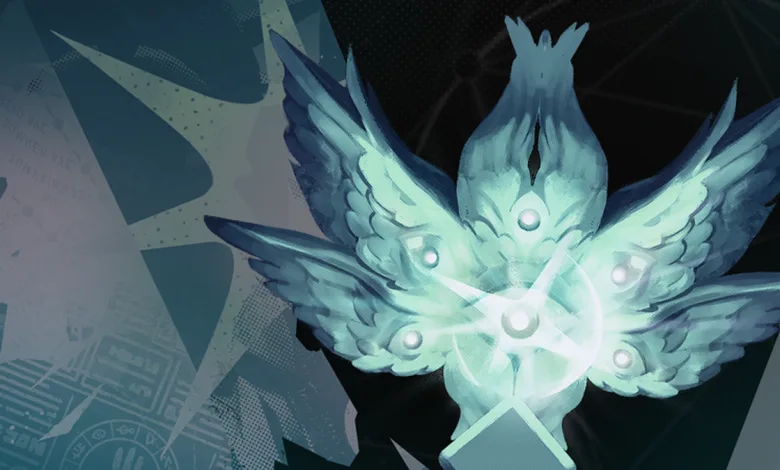
Deadlock now has a revamped matchmaking system and a new Ranked Mode. Valve said the update is live as of July 30, with Standard Mode remaining the lower-pressure option for players who want to queue with friends or practice unfamiliar heroes.
The changes were detailed in Valve’s Steam announcement, which also introduced a full rank structure, seasonal progression, hero restrictions, and new pre-game decisions for ranked matches.

Standard Mode keeps parties unrestricted
Standard Mode is unranked and does not adjust a player’s rank. There are no restrictions on party size or skill spread, making it the better fit for casual groups.
The matchmaker also accounts for a player’s experience with the selected hero. That means Standard Mode can place players into games with that experience in mind when they are practicing heroes they do not know as well.
Ranked Mode adds seasons and 13 ranks
Ranked Mode is built for players who want matches against similarly skilled opponents and a visible path of progression. Each rank contains six subranks, numbered I through VI.
- Obscurus, which is uncalibrated
- Initiate
- Seeker
- Acolyte
- Sentinel
- Mystic
- Ritualist
- Emissary
- Oracle
- Phantom
- Ascendant
- Eternus
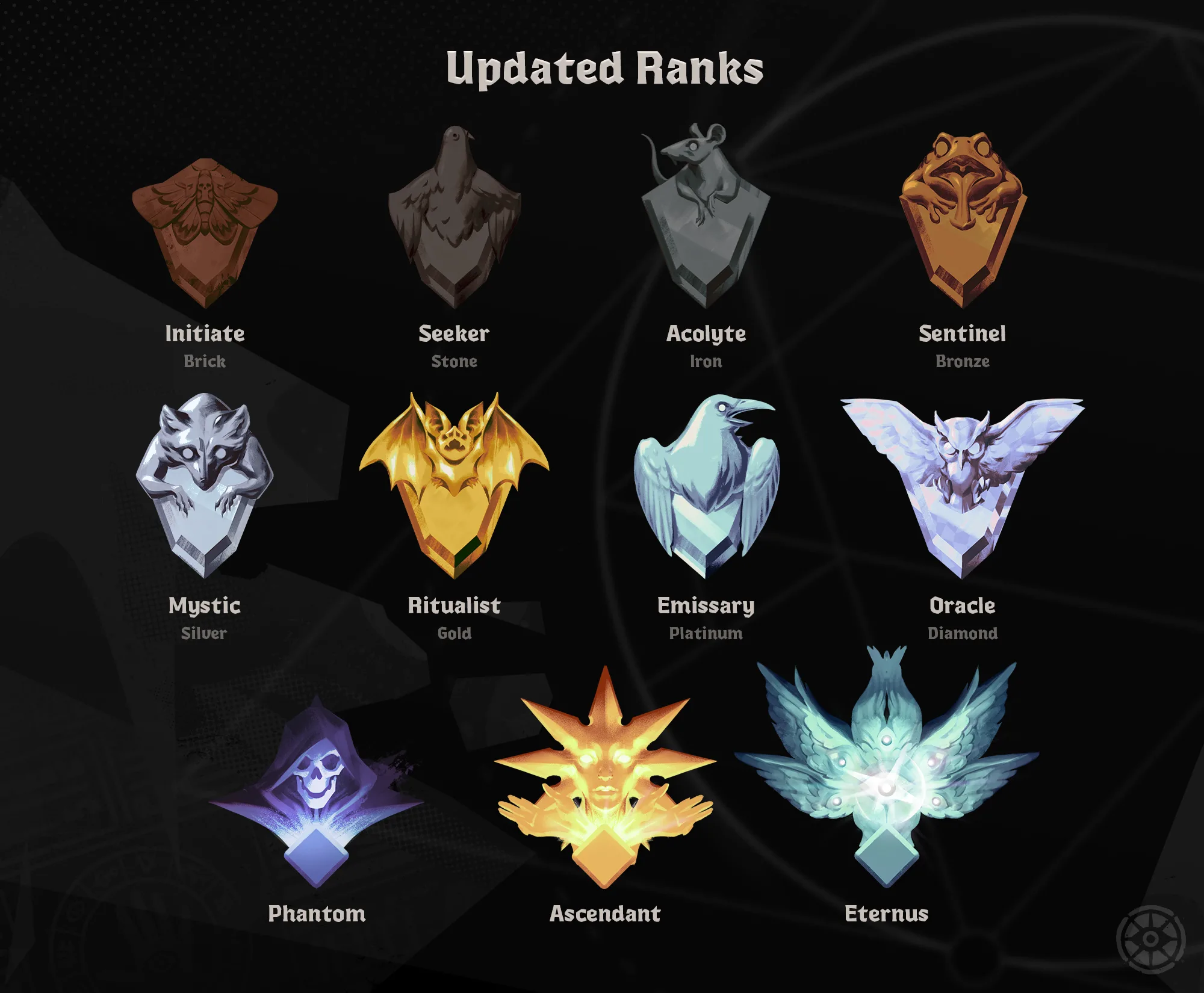
The first season began on July 30 and will end on October 7. At the end of a season, the highest rank a player reached will remain visible in their rank history. Valve also said future seasons may last longer and could include breaks for rank adjustments, along with requirements tied to how recently players used certain heroes.
Ranked eligibility and calibration
Players need at least 60 Standard Mode wins before they can queue for Ranked Mode. Their ranked hero pool is also limited to heroes they have won at least 15 Standard Mode games with, and they need at least three eligible heroes available.
Every player begins the season with an eight-game calibration phase. Previous performance still helps with initial matchmaking, but everyone receives a soft reset. Players cannot enter calibration matches in a party, and calibration can place them no higher than Oracle VI.
Ranked currently supports solo and duo parties. Duo partners must be within one full rank of each other, such as Mystic and Ritualist. Eternus players can only queue with other Eternus players who are within three subranks.
How Rank Points work
Wins and losses update a visible Rank Points progress bar after each match. A result awards or removes around 250 points on average, although the amount can vary based on match expectations and win streaks.
Most subrank promotions require 1,000 points. The final subrank before a player moves into a new rank requires 2,000 points. Eternus I uses daily percentile-based thresholds instead of a fixed point requirement.
Ranked also includes loss protection. Players at the boundary of a full rank receive five protected losses before dropping, while players at a subrank boundary receive two protected losses.
Pre-game hero swaps and lane choices
Players choose their preferred heroes before the match is formed, giving the matchmaker more room to build teams around player preferences and team composition. Ranked matches then include a pre-game waiting area where players can see the ranks of everyone in the lobby and change to another unlocked, eligible hero that has not already been selected.
Each player can make one hero swap. The enemy team’s live changes are hidden, so players only see its initial composition. If two players end up selecting the same hero, the later selection fails and that player can choose again.
The same waiting area lets teams adjust their starting lanes. Zipline swaps are disabled afterward, and pausing is unavailable until two minutes after the match fully begins. Ranked matches also ban three heroes instead of two, with an updated ban algorithm.
Abandon penalties and leaderboard requirements
Players with active sanctions, including low-priority status or communication bans, cannot queue for Ranked Mode.
If someone abandons before the five-minute mark, the match is voided for the other players and is safe to leave. The leaver and their party receive a loss and leaver penalties. After five minutes, the abandoning player is penalized and their party receives a loss, while teammates can leave without punishment. Staying and winning still counts as a win for those teammates.
If every player on the abandoning team leaves, the match ends automatically and counts as a win for the opposing team. Leaver penalties begin with queue timeouts and can progress to increasing amounts of low-priority games.
Valve also raised the recent game requirements for leaderboards. The global leaderboard now requires 75 games in the last 30 days, up from 50. Hero-specific leaderboards require 30 games on that hero in the same period, plus at least 100 lifetime wins with the hero.
Valve warns of early queue problems
Valve warned that Ranked Mode’s player pool will be thin at launch because many players still need to meet the unlock requirements. Queue times, match quality, and team composition may be uneven while players complete calibration and settle into their ranks. Valve is also watching for bugs tied to the large matchmaking rewrite and said fixes may be needed over the next few days.
What do you think of Deadlock’s new Ranked Mode and its hero restrictions? Share your thoughts in the comments, and follow us on X, Bluesky, YouTube, and Instagram.
Deadlock
Developed by Valve