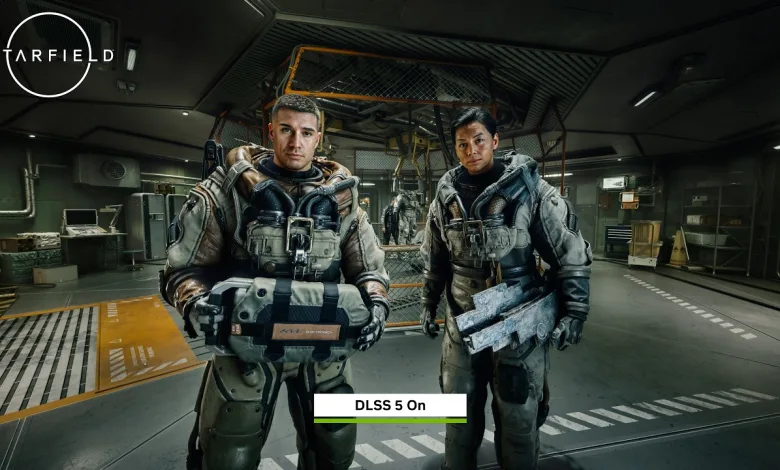
NVIDIA revealed DLSS 5, a next-generation upscaling and neural rendering system that the company says will inject photoreal lighting and material detail into live gameplay. The feature will run in real time at up to 4K and is scheduled to arrive this Fall, NVIDIA said.
What DLSS 5 does
According to NVIDIA, DLSS 5 takes a game’s color and motion vectors for each frame and feeds them into a real-time neural model that adds lighting and material effects anchored to the underlying 3D scene. The model was trained end-to-end to recognize complex scene elements such as characters, hair, fabric, and translucent skin, and to reproduce effects like subsurface scattering and subtle light–material interactions while keeping scene structure intact.

“Twenty-five years after NVIDIA invented the programmable shader, we are reinventing computer graphics once again. DLSS 5 is the GPT moment for graphics — blending hand-crafted rendering with generative AI to deliver a dramatic leap in visual realism while preserving the control artists need for creative expression.”
NVIDIA also said developers will get artist-facing controls for intensity, color grading, and masking so teams can decide where and how neural enhancements apply. The company noted DLSS 5 integrates through the existing NVIDIA Streamline framework used by prior DLSS releases and NVIDIA Reflex.
Support and timing
NVIDIA listed a wide set of publishing partners expected to back DLSS 5, including Bethesda, CAPCOM, Hotta Studio, NetEase, NCSOFT, S-GAME, Tencent, Ubisoft, and Warner Bros. Games, and said the tech will arrive this Fall. NVIDIA did not publish a launch-game list during the initial reveal, but later confirmed a first set of titles in a company email.
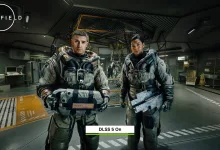
The early-support list NVIDIA confirmed includes: AION 2, Assassin’s Creed Shadows, Black State, CINDER CITY, Delta Force, Hogwarts Legacy, Justice, NARAKA: BLADEPOINT, NTE: Neverness to Everness, Phantom Blade Zero, Resident Evil Requiem, Sea of Remnants, Starfield, The Elder Scrolls IV: Oblivion Remastered, Where Winds Meet, and more.
Context for PC graphics
DLSS 5 represents another step in NVIDIA’s move toward transformer-based and generative models for image quality after the DLSS 4 transformer work. For background on that change, see our piece on the DLSS transformer model leaving beta, which explains how the company moved from convolutional neural nets to transformer architectures for upscaling and denoising.
Watch the reveal and hands-on footage
Several short reveal videos were published by NVIDIA showing DLSS 5 previews for titles such as EA SPORTS FC, Starfield, Hogwarts Legacy, and Resident Evil Requiem. Digital Foundry also posted a hands-on that walks through examples and implementation notes.
If you follow GPU tech, DLSS 5 will be hard to ignore as it pushes neural methods further into the rendering pipeline and gives studios new controls for where generative detail appears. How developers balance automated neural detail with artistic intent will be central to whether players and critics accept the results. Tell us what you think in the comments and follow us on X, Bluesky, YouTube, Instagram.