On January 14, 2026, former Activision boss Bobby Kotick told a court that Call of Duty: Black Ops 7 is tracking to perform “over 60%” below last year. The comment appears in his response to an investor suit funded by Swedish pension fund AP-7.
The investor group alleges Kotick rushed the sale of Activision to Microsoft and undervalued the company at $95 per share, a transaction that worked out to roughly $69 billion. The suit also claims Kotick sought the deal in part to insulate himself from sexual misconduct scandals at the company.


Kotick pushed back in the filings. He argued that console hardware sales are at low levels and that Call of Duty itself has fallen sharply, which he presented as justification for the Microsoft sale. Kotick wrote, as reported by Game File:
“Today, given that console sales are at an all-time low and Call of Duty sales are off over 60% from the prior year, Plaintiff should be expressing extreme gratitude for the foresight Activision leadership demonstrated in consummating this transaction.”
The 60 percent figure has not been independently verified by Kotick in public sales releases. Still, it lines up with multiple signs of trouble around Black Ops 7. Activision released an unusually blunt statement late in 2025 acknowledging the franchise underperformed and saying it would not publish back-to-back sub-franchise entries again. The publisher also followed up with damage-control messaging to the player base.
Market data from Europe and other regions has painted a weak picture for the series. Console launch sales in Europe showed Black Ops 7 trailing Battlefield 6 by a wide margin, and that report is one piece of the wider downturn for the title. See our European sales coverage for details on the scale of the drop and the comparison to Battlefield 6.
U.S. console sales in November 2025 were the weakest in three decades, and that weak environment has been cited when discussing falloff in franchise sales. Activision’s public commentary and third-party sales tracking both point to a franchise that missed expectations late last year.
Kotick also took aim at the Federal Trade Commission in his filing. He argued that fierce competition, including from Battlefield, undercuts the FTC’s past claims about Call of Duty’s market dominance. He wrote:
“Call of Duty is on track to perform over 60% below last year because of intense competition from titles like Battlefield – destroying the FTC’s now defeated argument about Call of Duty’s purported monopoly and the lack of competition in the first-person action game category.”
The comments raise an extra question for Microsoft. The company absorbed Activision in a multibillion-dollar deal and will soon report financials that could reflect the franchise’s current performance. Black Ops 7 is also due to face heavy holiday competition, not least from Grand Theft Auto 6 over the next Christmas period.
For context on how Black Ops 7 was built and what it includes, Activision opened a new post-launch layer called Endgame and positioned the title around co-op and extended progression. Those design choices were detailed before launch and helped shape expectations for a long-running live service. Read our explainer on the Endgame mode and how campaign co-op and unified progression work.
Below is a quick roundup of the related console and sales coverage we published earlier:
- European launch sales showed Black Ops 7 trailing Battlefield 6 by 63 percent
- Details on Black Ops 7’s Endgame mode and post-campaign content
- How co-op campaign, Endgame, and unified progression are intended to extend play
Kotick’s filings and the surrounding investor suit offer a blunt snapshot of how badly the franchise is being perceived by some market actors. Whether Microsoft’s accounts and future patches can reverse that view remains to be seen.
Follow ongoing coverage of Call of Duty on X, Bluesky, YouTube, and Instagram.
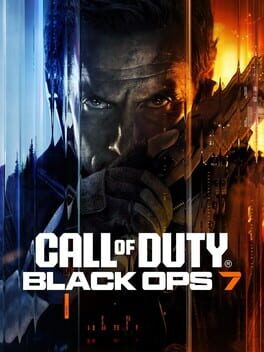
Call of Duty: Black Ops 7
Developed by Treyarch, Raven Software
Embrace the madness.
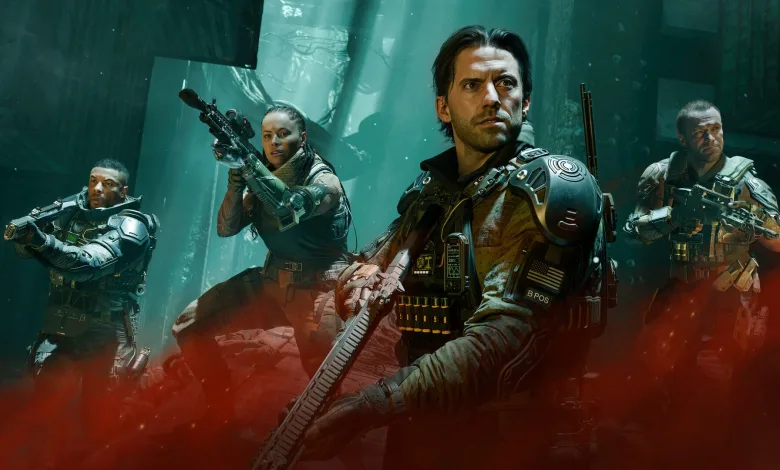
In Call of Duty: Black Ops 7, Treyarch and Raven Software are bringing players the most mind-bending Black Ops ever. The year is 2035 and the world is on the brink of chaos, ravaged by violent conflict and psychological warfare following the events of the fan-favorite titles Black Ops 2 and Black Ops 6. Wielding cutting-edge technology, the Black Ops team led by David Mason must fight back against a manipulative enemy who weaponizes fear above all else.
- Genre: Shooter
- Platforms: Xbox Series X|S, PlayStation 4, PC (Microsoft Windows), PlayStation 5, Xbox One
- Modes: Single player, Multiplayer, Co-operative
- Release: 2025-11-14
- Publisher: Activision
-
Age Rating:

 ACB MA 15+ / ESRB M
- IGDB Rating: 31.0/100